
Powers of Attorney
A Power of Attorney is a document that appoints someone to act on your behalf (also known as your agent) if you are incapacitated and unable to make decisions for yourself.
The Primary Types of Powers of Attorney
In California, there are two primary types of powers of attorney:
Financial Power of Attorney
This document appoints an agent to take care of your finances on your behalf. Your agent will be able to pay your bills, manage your investments, sell property, and/or access your bank accounts. It can be broad or limited in its scope, and it can take effect immediately or only upon your incapacity.
Advance Healthcare Directive (Medical Power of Attorney)
This document appoints an agent to make medical decisions on your behalf if you’re unable to do so on your own. Your agent will help make decisions about treatment, medication, surgeries, and end-of-life care.
A Personal Story: Why the Healthcare Directive Matters
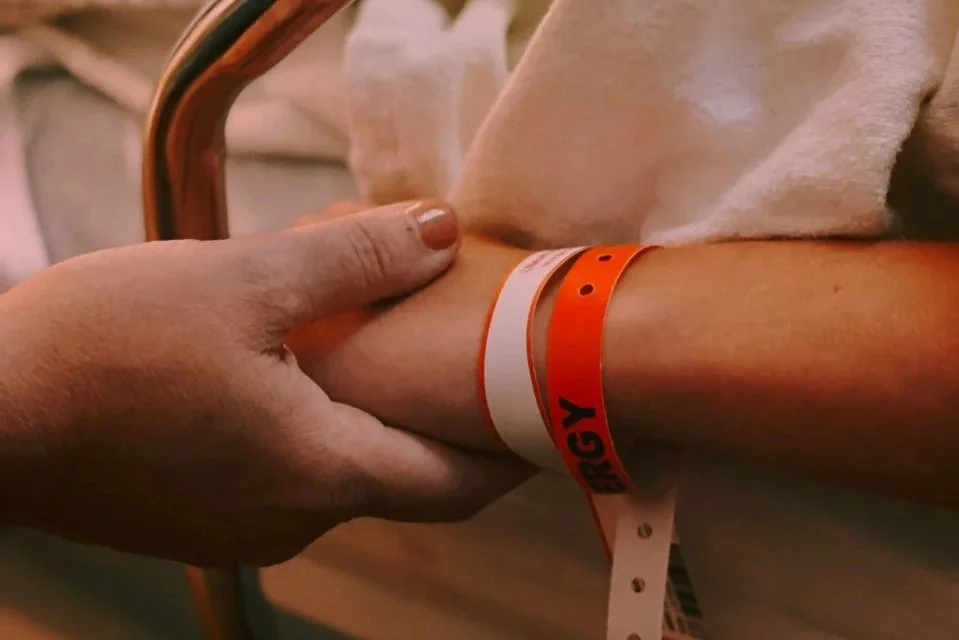
Recently, my childhood best friend (let’s call her “Jenna”), spent a week in the hospital trying to figure out how to save her husband’s life. He didn’t have an Advance Healthcare Directive in place, so Jenna was left scrambling and trying to figure out what her husband’s wishes would be in this situation. “We’d never talked about it,” she said, “So I was alone in a hospital trying to figure out what he would want me to do in this situation. It was pure torture. No one should have to go through that.”
Luckily, Jenna’s husband survived and was release from the hospital. We worked on their Powers of Attorney together and came up with a plan to ensure that neither of them has to go through what Jenna did while her husband was in the hospital.
Protecting Young Adults (Age 18+)
While it’s important for married couples to have a plan in place, it’s also important for teenagers once they turn 18. For parents that have children over the age of 18, if they end up in the hospital for any reason, the hospital staff can’t disclose why. This is especially terrifying for parents with children that attend college in a different state.
I went to military college, and during my freshman year we were only allowed to call home on Sundays for 10 minutes at a time. We also did a lot of physical fitness and obstacle courses. One recruit ended up with an injury and didn’t have any directive in place, so his family was never informed about his injury. In fact, his mom saw a picture of her son on the school’s Facebook page wearing a cast. She immediately reached out to the school. The recruit was instantly embarrassed (having your mom reach out in a military setting is not ideal. In fact, it’s the ultimate embarrassment) and chewed out his mom during his allocated phone call that week.
This recruit’s embarrassment could have been avoided if he had an Advance Healthcare Directive in place. His mother would have been informed of the injury and she would have known that he was taken care of. Unfortunately, his family learned the hard way. I immediately had a healthcare directive put in place after I heard what befell him – I was not going to let my mom embarrass me if I got injured.
Although most college students don’t go to military college, they are still prone to injuries. Students that play sports may end up in the hospital for their injuries, or a student can fall seriously ill, there’s no way of knowing what can happen on a college campus. It’s important to ensure that once a student heads to college that they have an Advance Healthcare Directive in place so that their parents can step in if something serious happens.